
What Does It Mean to Have an Item Prayed for at the Stone of Anointing?
Stone of Anointing Blessing: What It Means to Have an Item Prayed for in Jerusalem
For Christians around the world, the Holy Land is more than a destination—it is the living heart of the faith. Among its most sacred places is the Stone of Anointing, where prayer, memory, and hope meet in quiet reverence.
Many believers ask what it truly means to have an item prayed for at this holy site. This guide offers a faithful and respectful explanation—rooted in Christian tradition, history, and devotion.
The Stone of Anointing in Christian Tradition
Inside the Church of the Holy Sepulchre, just beyond the entrance, lies the Stone of Anointing. According to Christian tradition, this is where the body of Jesus Christ was prepared for burial after the Crucifixion—anointed with oils and wrapped before being laid in the tomb.
This moment stands between grief and hope. It reflects Christ’s sacrifice while quietly pointing toward the Resurrection. For centuries, pilgrims have paused here in silence, many placing their hands on the stone and offering prayers for loved ones, for healing, or simply for peace.
The significance of this place is not found in grandeur, but in stillness.
Why Prayer at the Stone of Anointing Matters
Prayer at the Stone of Anointing holds meaning because of what the place represents in the Christian faith. It reminds believers that God is present in suffering and that love endures even in moments of loss.
When prayers are spoken here, they are shaped by:
-
remembrance of Christ’s sacrifice
-
intention offered for someone loved
-
a deep sense of connection to the origins of Christian faith
These prayers are not about outcomes or guarantees. They are acts of trust—placing one’s hopes, grief, or gratitude in God’s hands.
What It Means to Have an Item Prayed For
When an item is prayed for at the Stone of Anointing, it is presented with care and dedication. A prayer is offered for a specific person or intention, and the item becomes a tangible reminder of that sacred moment.
At ChristianCrafts.shop, this practice is approached with humility and transparency. The prayer is reverent and sincere, without claims of miracles or promises. What is offered is a spiritual connection—rooted in faith, not superstition.
The Blessing Service at ChristianCrafts.shop
ChristianCrafts.shop offers a Blessing Service for selected handcrafted items from the Holy Land. Each piece is made by Christian artisans in Bethlehem and Jerusalem, then respectfully brought to the Stone of Anointing for prayer and dedication.
Many customers choose to bless items such as:
-
Authentic Holy Land Rosaries – often chosen for prayer, memorials, and meaningful gifts
👉 https://christiancrafts.shop/collections/authentic-holy-land-rosaries-prayer-beads-from-jerusalem -
Crosses and Crucifixes – for personal devotion or sacred spaces at home
👉 https://christiancrafts.shop/collections/crosses-amp-crucifixes-collection -
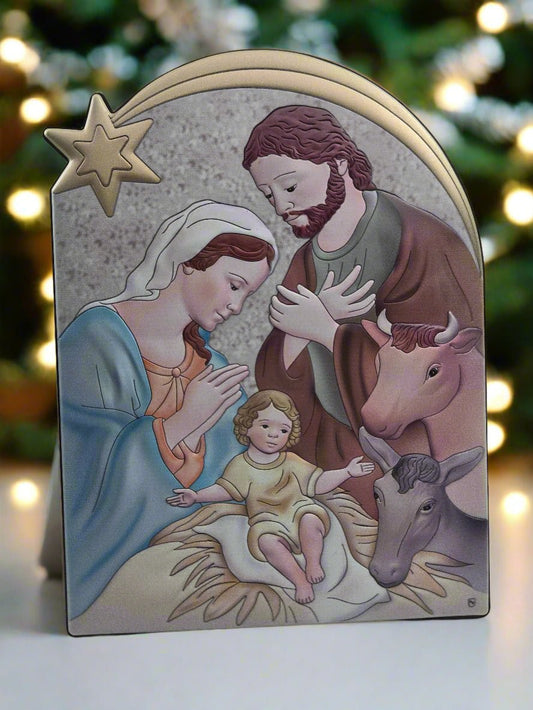
Holy Family sculptures and sets – symbolizing love, protection, and faith within the home
👉 https://christiancrafts.shop/collections/holy-family-collectio
Each blessed item includes confirmation, offering peace of mind and reassurance that the prayer was truly offered at this sacred site.
Who Finds This Service Especially Meaningful
This blessing service is often chosen by those who feel spiritually connected to the Holy Land but are unable to visit in person. It is meaningful for moments of remembrance, baptisms, confirmations, anniversaries, or times of personal prayer.
For many, it becomes a quiet bridge across distance—bringing a sense of Jerusalem into everyday life.
Faith Beyond Distance
Not every believer can walk the streets of Jerusalem or kneel at the Stone of Anointing. Yet faith has never been limited by geography. Through prayer, sacred craftsmanship, and intention, believers remain connected—to Christ, to history, and to one another.
Having an item prayed for at the Stone of Anointing is not about owning something holy.
It is about remembering, entrusting, and holding faith close.
A Moment to Reflect
As you reflect on this sacred place, consider quietly:
Who would you carry in prayer if given the opportunity?
Often, faith begins with remembrance.
To explore handcrafted Christian items from the Holy Land and learn more about our blessing services, visit:
👉 https://christiancrafts.shop